
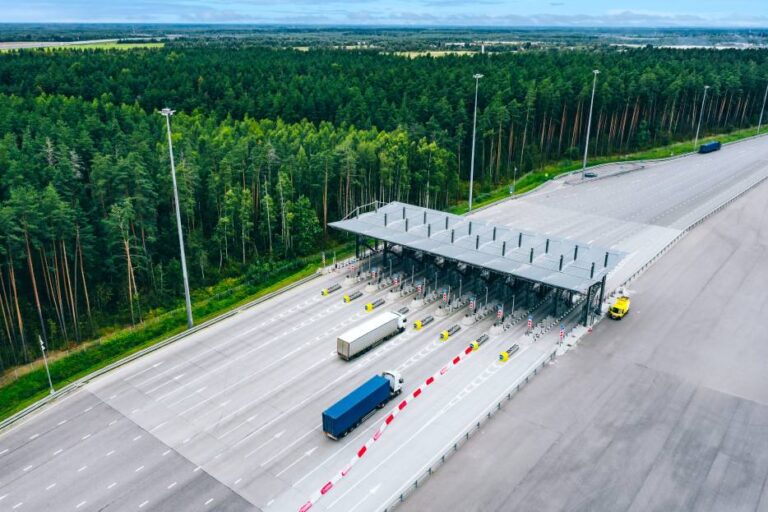
Global trade depends on speed, coordination, and predictability. Yet every international shipment must pass through one critical checkpoint before reaching its destination: border control. While customs inspections, documentation reviews, and regulatory compliance procedures are designed to ensure security and legality, they also introduce friction into highly time-sensitive industries, none more vulnerable than food supply chains.
From fresh produce and meat to processed goods and specialty ingredients, food logistics operate on narrow margins and strict timelines. Delays at ports of entry can lead to spoilage, increased transportation costs, contractual penalties, and, ultimately, higher prices for consumers. In this context, customs management is no longer just a regulatory step; it is a strategic component of supply chain resilience.
This is where Mexican customs brokers play a pivotal role. Their expertise can determine whether perishable goods move efficiently through inspection processes or become stalled in administrative bottlenecks.
As global trade regulations evolve and food safety standards become increasingly stringent, understanding the relationship between border controls and food supply chains is essential. In this article, we will examine how customs procedures influence food logistics.
Modern border controls in global food trade
Border controls have evolved far beyond basic tariff collection. Today, they function as complex regulatory filters designed to protect public health, domestic agriculture, and national biosecurity.
In the context of global food trade, this means that shipments are not only evaluated for proper documentation and tariff classification but are also subject to strict health, safety, and quality standards before entering a market. For food businesses, compliance with these controls is not optional, it is a decisive factor in supply chain continuity.
Among the most critical components of modern border oversight are sanitary and phytosanitary (SPS) measures. These regulations are designed to prevent the introduction of pests, diseases, contaminants, and harmful organisms that could threaten human health, animal populations, or crops.
SPS controls apply to a broad range of food products, including fresh produce, meat, seafood, dairy, grains, and processed goods. Authorities may require laboratory testing, health certificates, origin verification, or prior import authorizations before clearance is granted.
For perishable goods, SPS compliance is particularly sensitive. A missing phytosanitary certificate, an improperly issued health document, or discrepancies in labeling can trigger inspections, sampling procedures, or temporary holds at the border. Even short delays can compromise product integrity, especially in temperature-controlled shipments. In some cases, non-compliance results in re-exportation or destruction of goods, creating significant financial losses across the supply chain.
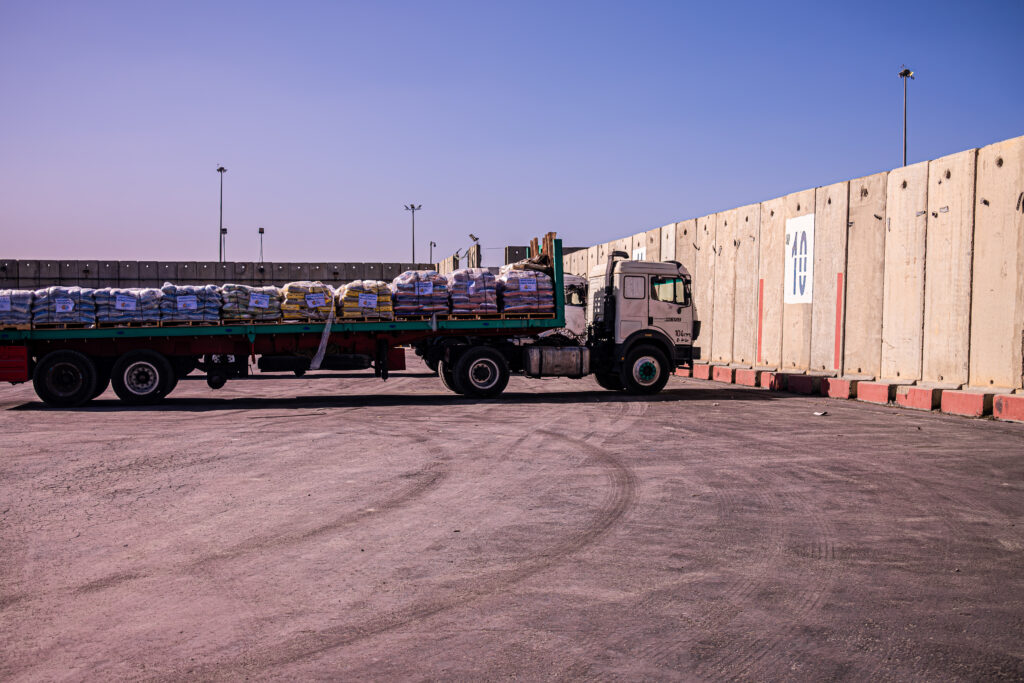
Why are food supply chains highly vulnerable to border delays?
Food supply chains operate under tighter timelines and stricter handling conditions than most other industries. Unlike durable goods, food products are often perishable, temperature-sensitive, and subject to strict safety regulations.
This makes border delays particularly disruptive. Even minor administrative issues or inspection hold-ups can trigger cascading consequences across logistics networks, inventory planning, and retail distribution. Hereunder, we’ll discuss some essential points to understand the impact of a delay in the food chain supply.
1.- Perishability and time-sensitive logistics
As we mentioned, many food products have limited shelf lives that begin counting down the moment they are harvested or processed. Transit time is therefore a critical variable. When shipments are delayed at border checkpoints due to documentation reviews, inspections, or sanitary controls, valuable selling time is lost. Retailers may receive products with reduced shelf life, leading to price reductions or increased food waste.
In highly competitive markets, timing also affects contractual commitments. Importers and distributors often operate under strict delivery schedules. A delay of even 24 to 48 hours can disrupt promotional campaigns, restaurant supply contracts, or manufacturing processes that rely on just-in-time inventory systems.
2.- Cold chain disruptions and storage costs
Temperature control is essential for preserving food quality and safety. Many shipments require refrigerated containers, specialized storage facilities, and continuous monitoring throughout transit. When goods are held at the border, maintaining the cold chain becomes more complex and costly.
Extended inspections or customs holds may require additional refrigeration fees, container demurrage charges, or storage costs at port facilities. If temperature integrity is compromised during the delay, the entire shipment may become unsellable. These risks highlight why efficient customs coordination is crucial for perishable food logistics.
3.- Financial consequences of customs hold-ups
Border delays create direct and indirect financial impacts. Direct costs include storage fees, penalties for late delivery, additional transportation expenses, and potential product loss. Indirect costs are often more significant: damaged business relationships, reduced consumer trust, and missed market opportunities.
For companies operating with narrow margins, repeated customs delays can erode profitability. In some cases, importers may face fines or re-exportation costs if shipments fail to meet regulatory standards.
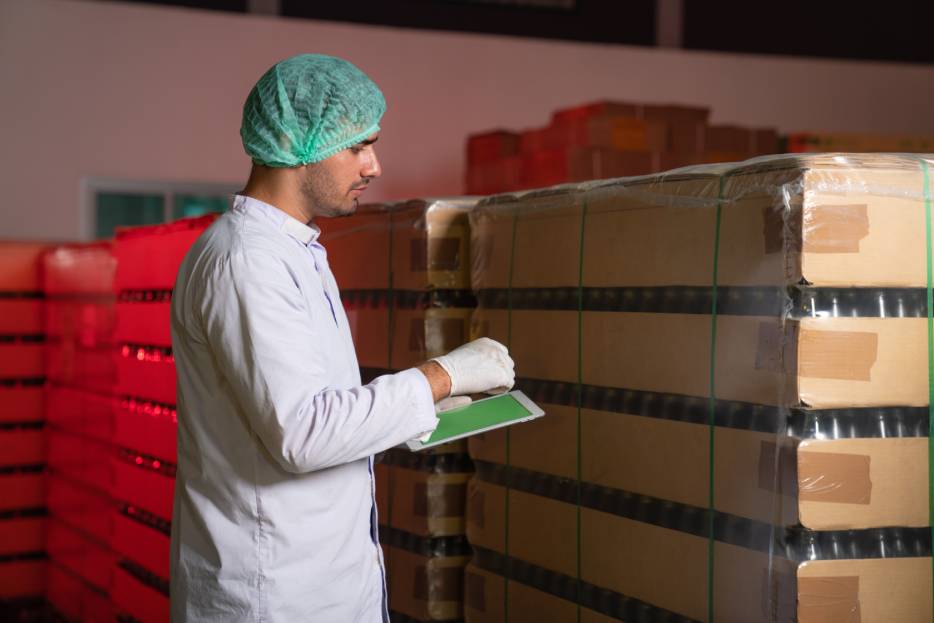
Key challenges in cross-border food shipments
As you may see, cross-border food shipments face a regulatory and operational landscape that is both complex and constantly evolving. Unlike many other traded goods, food products are subject to overlapping health, safety, labeling, and traceability requirements. Understanding the main challenges involved is essential for companies seeking to maintain efficiency and regulatory certainty.
1.- Inconsistent regulatory standards between countries
One of the most significant challenges in international food trade is the lack of harmonized standards. Each country establishes its own sanitary, labeling, packaging, and residue requirements. A product that complies fully with regulations in the exporting country may require additional certifications, reformulation, or relabeling to meet the importing country’s standards.
2.- Evolving trade policies and tariff changes
Trade policies are dynamic and often influenced by economic, political, or public health considerations. Tariff rates, quotas, import licenses, and special trade measures can change with limited notice. For food shipments, these adjustments may significantly alter landed costs and competitive positioning.
Sudden policy shifts can also introduce new compliance requirements, additional documentation, or stricter inspections. Companies that fail to monitor these changes risk misclassification, underpayment of duties, or shipment delays.
3.- Inspection bottlenecks at ports of entry
High-volume ports and border crossings frequently face congestion, particularly during peak agricultural seasons or periods of heightened regulatory scrutiny.
Food shipments may be selected for physical inspection, laboratory sampling, or document verification. While inspections are necessary to ensure safety, they can create significant bottlenecks when infrastructure or staffing levels are insufficient.
Efficient pre-clearance preparation and proactive coordination with customs authorities can help reduce the impact of such bottlenecks.
4.- Compliance risks and penalties
Non-compliance in the food trade carries serious consequences. Errors in tariff classification, incomplete sanitary certificates, inaccurate labeling, or failure to secure proper import permits may result in fines, shipment seizures, or mandatory re-exportation. In severe cases, companies may face suspension of import privileges.
Beyond financial penalties, reputational damage can be significant. Food safety is closely tied to consumer trust, and regulatory violations may harm brand credibility. Ensuring full compliance requires meticulous documentation management, up-to-date regulatory knowledge, and careful oversight of every stage of the shipment process.
Now that you’ve learned more about food supply chains and how a delay in border control can affect your products, don’t hesitate to contact us. We’ll be happy to assist you.

 English
  Spanish