

Global supply chains have become increasingly complex, involving multiple actors, jurisdictions, and regulatory frameworks. As a consequence of the complexity, international trade laws, customs delays, and other issues can impact directly on any supply chain.
The same applies to legal liability for trade operators, which is no longer limited to isolated compliance failures but extends across the entire logistics and customs process. Importers, exporters, freight forwarders, and intermediaries must navigate strict customs regulations, international trade agreements, and enforcement mechanisms that hold each participant accountable for errors, omissions, or fraudulent practices.
Within this framework, customs brokers play a central role in ensuring regulatory compliance and operational transparency. As licensed professionals who act on behalf of trade operators before customs authorities, customs brokers, including Mexican customs brokers, are directly involved in classification, valuation, documentation, and customs clearance procedures.
This article examines the legal liability of trade operators in global supply chains, with a particular focus on the role of customs brokers and the shared responsibilities between private companies and customs intermediaries.
What is legal liability in international trade?
Legal liability in international trade refers to the responsibility assumed by trade operators—such as importers, exporters, carriers, and intermediaries—for complying with customs laws, trade regulations, and international agreements.
When obligations related to documentation, valuation, classification, or origin are not met, authorities may impose administrative, civil, or even criminal sanctions, as we saw in our article about customs sanctions. Liability is not limited to intentional misconduct; it can also arise from errors, omissions, or negligence throughout the customs and logistics process.
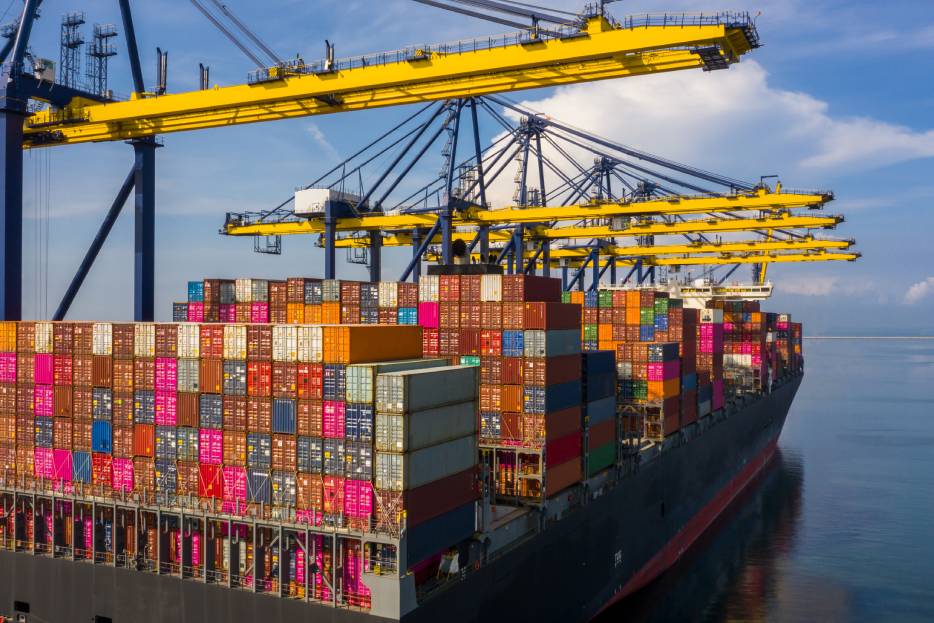
Key trade operators and their legal responsibilities
As we mentioned, international trade involves multiple actors, each with specific legal obligations that directly affect customs compliance and supply chain integrity. Understanding the scope of responsibility assigned to each trade operator is essential, as liability does not rest on a single party but is distributed across contractual, regulatory, and operational roles.
Importers and exporters hold primary legal responsibility for the accuracy and legality of international trade transactions. Importers are typically accountable for correct tariff classification, customs valuation, origin declarations, and payment of duties and taxes. Exporters, in turn, are responsible for ensuring that goods comply with export controls, licensing requirements, and origin certifications.
Even when these tasks are delegated to third parties, customs authorities generally maintain that the principal party remains liable for any inaccuracies or violations.
Customs brokers act as authorized intermediaries between trade operators and customs administrations. Their legal responsibilities include preparing and submitting customs declarations, verifying supporting documentation, and ensuring that clearance procedures comply with applicable regulations.
While customs brokers operate on behalf of their clients, they are also subject to professional and regulatory obligations, which may expose them to sanctions, license suspensions, or joint liability in cases of negligence, misrepresentation, or non-compliance.
Other operators, such as freight forwarders, carriers, and logistics providers, also bear legal responsibilities related to transportation, cargo handling, and the accuracy of shipping information. Although they may not be directly responsible for customs declarations, errors in manifests, routing, or cargo descriptions can lead to compliance breaches and enforcement actions.
Main risk areas that trigger legal liability
Legal liability in international trade often arises from recurring compliance failures affecting customs declarations, documentation, and regulatory compliance. These risk areas are closely monitored by customs authorities and frequently form the basis of audits, penalties, and enforcement actions.
Identifying and managing these vulnerabilities is essential for trade operators seeking to protect their operations and maintain supply chain stability. Hereunder, we have developed some of the main risks.
1.- Incorrect tariff classification and HS codes
Incorrect tariff classification is one of the most common sources of legal liability in international trade.
Because tariff classification often requires technical and legal interpretation, it represents a high-risk area for trade operators. Customs brokers mitigate this risk by conducting detailed product analysis, reviewing technical specifications, and staying current with classification rulings and regulatory updates. Accurate HS classification is not only a compliance requirement but also a strategic element of cost and risk management.

2.- Customs valuation errors and transfer pricing issues
Customs valuation determines the taxable base for duties and taxes and is therefore a priority enforcement area for customs administrations. Errors in valuation can trigger significant legal liability. These risks are amplified in transactions between related parties, where transfer pricing policies may conflict with customs valuation rules.
Customs brokers assist trade operators by reviewing valuation methodologies, ensuring consistency between commercial documentation and customs declarations, and identifying potential red flags before submission. Proper valuation practices help avoid disputes, audits, and penalties that can disrupt supply chains and damage regulatory credibility.
3.- Origin documentation and trade agreement compliance
Incorrect or incomplete origin documentation is another major risk area, particularly when trade operators claim preferential tariff treatment under free trade agreements. Failure to meet origin requirements or to properly substantiate origin claims can result in denial of benefits, retroactive duty payments, and financial penalties.
Customs brokers help manage origin-related risks by verifying certificates of origin, assessing compliance with rules of origin, and ensuring that supporting documentation aligns with regulatory standards.
4.- False declarations, omissions, and administrative infractions
False declarations, omissions, or administrative infractions pose serious legal risks for trade operators. These may include inaccurate cargo descriptions, missing documentation, or failure to comply with procedural requirements. Customs authorities increasingly rely on data analytics and automated risk profiling to detect such discrepancies.
Customs brokers reduce exposure to these risks by implementing robust documentation controls, cross-checking data across multiple sources, and maintaining clear communication with clients. By ensuring transparency and accuracy throughout the customs process, they help trade operators avoid enforcement actions and preserve compliance integrity.
Now that you’ve learned more about the legal liability through trade operations, don’t hesitate to contact us in case you need any assistance. Also, if you found this article useful, we ask you to share it on social media and stay tuned to our blog for more information.

 English
  Spanish